Turn Photos into Comic Videos with AI: A Beginner’s Guide
A single photo can capture a moment, but what if you could turn that moment into a short comic-style story? Imagine a family picture becoming a funny scene, a character photo becoming part of an animated adventure, or a collection of images becoming a short video for YouTube Shorts or Facebook Reels.
You do not necessarily need professional animation skills to explore these ideas. AI-assisted video tools can help creators experiment with visual storytelling, although the results and available features vary from one tool to another.
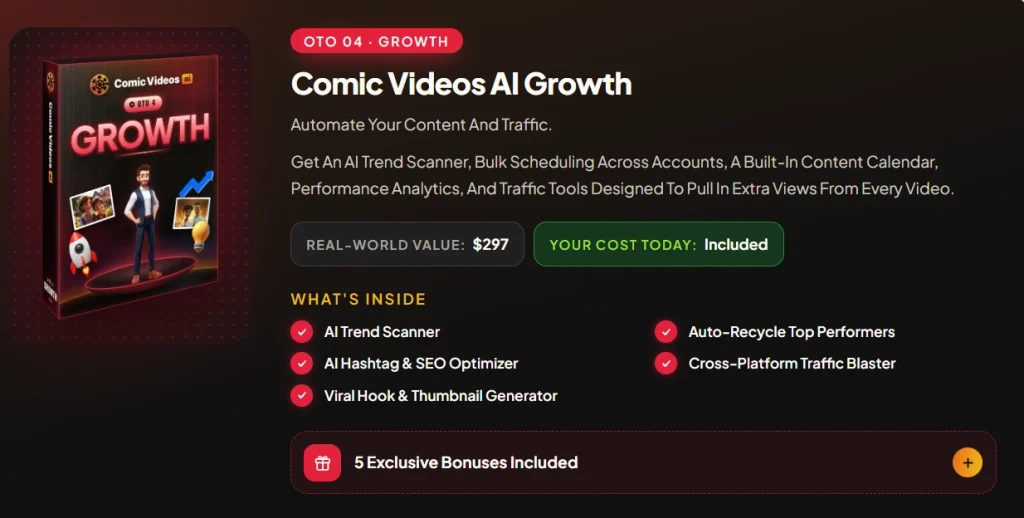
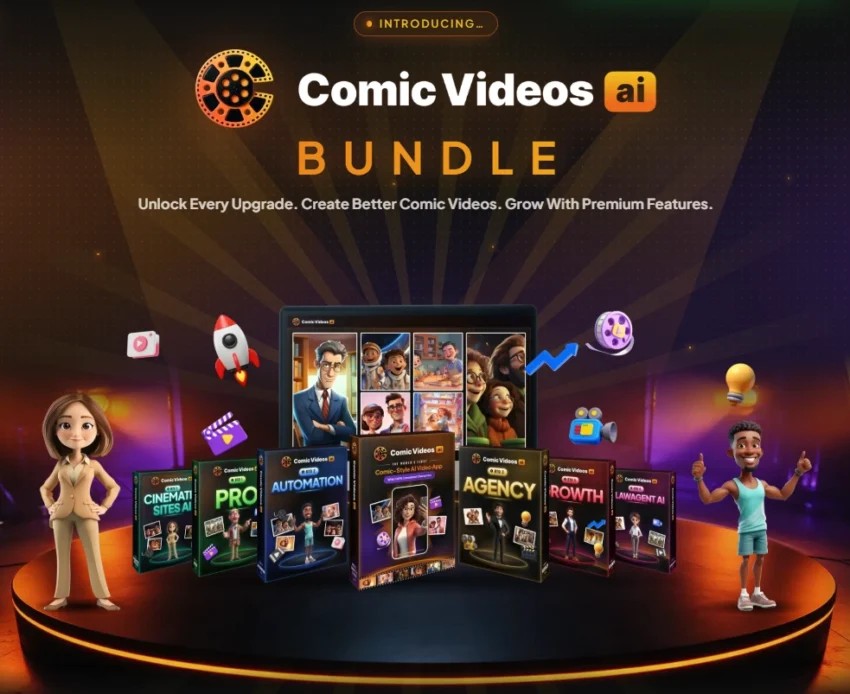
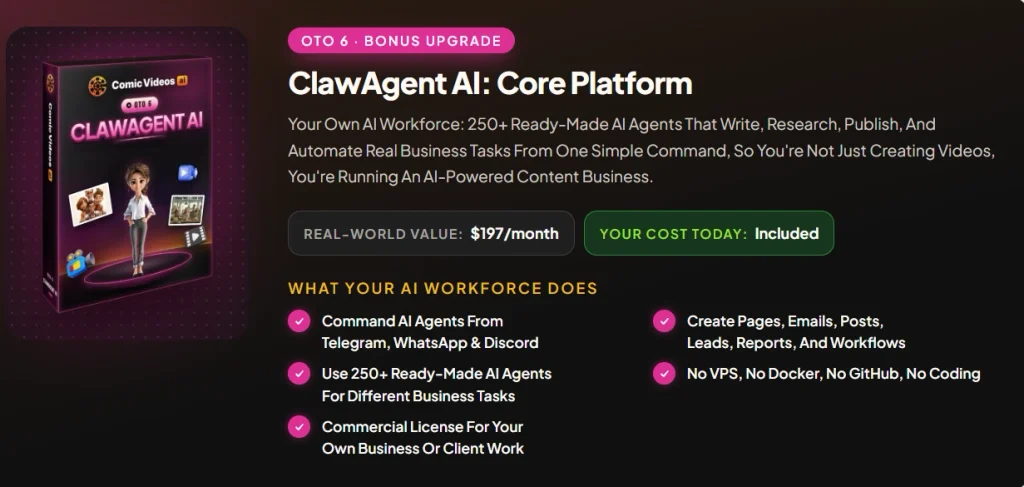
The Comic Videos AI Bundle is an option worth investigating if you want to explore AI-powered comic video creation. Before buying, however, you should understand what the workflow involves, what features to check, and how to decide whether the product fits your content goals.
In this guide, we will explain how to turn photos into comic videos with AI, share a practical example, compare different creation methods, and cover the main questions to ask before purchasing a tool.
Whether you are a beginner, a faceless YouTube creator, or a social media marketer, this guide will help you make a more informed decision.
Turn Photos into Comic Videos with AI
Quick Product Overview
| Category | Details |
|---|---|
| Product Name | Comic Videos AI Bundle |
| Product Category | AI-assisted comic and video creation |
| Best For | Beginners, storytellers, faceless creators, and social media marketers |
| Main Purpose | Explore a workflow for creating comic-style video content |
| Key Benefit | Potentially simplify selected parts of video production |
| Price Range | Check the current offer and checkout details |
| Skill Level | Depends on the included tools and workflow |
| Best Use Cases | Comic stories, short-form content, and creative experiments |
Important: Verify the current feature list, included software, export options, usage limits, commercial rights, and price before purchasing. These details may vary by offer.
What Does It Mean to Turn Photos into Comic Videos With AI?
Turning photos into comic videos means using still images as the starting point for a visual story. The images may be transformed into comic-style artwork, arranged into scenes, or combined with motion, captions, narration, and sound.
The exact process depends on the tools you use.
For example, you might begin with a photo of a person, create a comic-inspired version using an image tool, and place that image into a video editor. You could then add dialogue, transitions, and a short story.
Some AI video tools may combine several steps in one workflow. Others require you to use separate applications for image creation, animation, voiceovers, and editing.
The key is to understand what your chosen tool actually does before planning an entire project around it.
How to Turn Photos into Comic Videos with AI: 7 Easy Steps
You can use the following workflow to plan your first project. The exact buttons and features will depend on the software you choose, including the tools available in the Comic Videos AI Bundle.
Step 1: Choose the Right Photos
Start with two or three photos that can tell a simple story.
For example, imagine you want to create a funny video about a person who discovers a mysterious box. You might use one image showing the person, another showing the box, and a third showing the surprise inside.
Choose clear images with a visible subject. Photos with poor lighting, crowded backgrounds, or faces hidden behind objects may be harder to work with.
Also, make sure you have permission to use the photos, especially if they contain other people.
Step 2: Decide on a Comic Style
Before creating the video, decide what you want it to look like.
Possible styles include:
- Colorful cartoon illustrations.
- Classic comic-book artwork.
- Soft, storybook-inspired visuals.
- Dramatic graphic-novel scenes.
- Funny character-based illustrations.
A consistent style helps the final video feel like one complete story rather than a collection of unrelated pictures.
If you use an AI image generator, describe the visual style clearly. Keep character details consistent across prompts, and review every generated image before using it.
Step 3: Create or Convert the Images
Depending on your workflow, you may use an AI image tool to create comic-inspired versions of your photos.
A simple prompt might look like this:
Example prompt:
“Create an original comic-book-style illustration inspired by the supplied photo. Use expressive facial features, clean outlines, vibrant colors, and a friendly storytelling mood. Keep the main subject recognizable without adding text.”
Treat the result as a creative interpretation rather than an exact copy of the original photo. AI tools can change facial details, clothing, hands, and backgrounds.
If the first result is not right, adjust the prompt or try another image. Do not assume every generated image will be ready to publish.
Step 4: Arrange the Images Into a Story
Now put the images in an order that makes sense.
A simple three-scene structure works well for beginners:
Scene 1 — The Setup: Introduce the character and the situation.
Scene 2 — The Problem: Show an unexpected event or challenge.
Scene 3 — The Ending: Reveal the result, joke, lesson, or surprise.
For example, a character finds a box, opens it with excitement, and discovers that it contains nothing but a tiny note saying, “Try again tomorrow.”
The story is easy to follow because each image has a purpose.
Step 5: Add Movement and Transitions
Still images can become more engaging when you add carefully chosen movement.
Depending on the editor or AI video tool, you may be able to use:
- Slow zooms.
- Camera pans.
- Scene transitions.
- Simple motion effects.
- Animated elements.
- Sound effects.
Use movement to guide attention. A gentle zoom toward a character’s expression may work better than several distracting effects in the same scene.
If your chosen tool supports photo animation, test the result carefully. Motion may distort faces, hands, or other details, so review the output before moving on.
Step 6: Add Voiceovers, Music, and Captions
Audio can help viewers understand the story and connect with the characters.
You can record your own narration, use a permitted text-to-speech tool, or create short dialogue captions. Background music and sound effects may also support the mood.
Keep these guidelines in mind:
- Make dialogue short and clear.
- Keep music quieter than the narration.
- Use readable captions.
- Check pronunciation in AI-generated speech.
- Use music and sound effects that you have permission to publish.
Captions are particularly useful for short-form videos, where some viewers watch without sound.
Step 7: Edit, Export, and Publish
Watch the complete video before publishing it.
Check whether the story makes sense, the images look consistent, and the audio matches the scenes. Correct spelling mistakes and remove unnecessary pauses.
For YouTube Shorts and Facebook Reels, a vertical layout is often a useful starting point. Confirm the latest format requirements of the platform you plan to use.
Prepare a clear title and description, and choose a suitable cover image when the platform allows it. Once published, review audience retention and engagement to learn which types of stories people enjoy.
A Practical Example: From One Photo to a Short Comic Story
Let’s say you have a photo of your pet sitting beside an empty food bowl. Instead of simply uploading the photo, you decide to turn it into a short comic-style story.
Here is one possible approach.
| Time | Scene | What Happens |
|---|---|---|
| 0–5 seconds | The hungry pet | The character looks at an empty bowl |
| 5–12 seconds | The big idea | The character notices a food container |
| 12–20 seconds | The attempt | The character tries to reach it |
| 20–28 seconds | The surprise | The owner appears with the food |
| 28–30 seconds | The ending | The character looks delighted |
You could create comic-style visuals for each scene, arrange them in an editor, and add short captions or narration.
The example does not require advanced animation. The story itself provides the structure.
If you want to create a series, you could reuse the same original character in new situations. Just make sure your workflow maintains a consistent appearance and that you have the necessary rights to the photos and assets.
What Should You Look for in the Comic Videos AI Bundle?
The Comic Videos AI Bundle may be worth exploring if its included tools match your intended workflow. Before purchasing, look for the features that matter most to your project.
Photo-to-Comic Capabilities
Check whether the product directly converts uploaded photos into comic-style images or whether you need a separate image-generation tool.
This distinction matters because converting a photo into artwork is different from animating that artwork into a video.
Animation and Video Creation
Find out whether the included tools can animate images, create scene transitions, or assemble multiple scenes into a finished video.
If you need to use separate applications, consider how much extra work that creates.
Voiceovers and Captions
If you want to make story-based videos, narration and captions may be useful. Confirm whether these features are included or require additional software.
Export Options
Check the available resolutions, aspect ratios, formats, and export limits. Your final video should meet the requirements of your intended platform.
Commercial-Use Rights
If you plan to monetize your videos, review the license terms carefully. Confirm what rights you have to the generated content, uploaded photos, voices, and other assets.
Pricing and Upgrades
Read the current checkout details. Check whether the offer includes recurring payments, optional upgrades, usage credits, or additional fees.

Do not assume that every feature shown in a promotional demonstration is included in the base purchase.
Benefits of Turning Photos Into Comic Videos With AI
AI-assisted comic video creation has several potential advantages, especially for people who want to experiment with storytelling.
It Offers More Creative Possibilities
A regular photo shows one moment. A sequence of comic-style images can turn that moment into a story with characters, dialogue, and an ending.
This approach can be useful for humorous content, educational stories, fictional adventures, and visual explanations.
It Can Support Faceless Content
You do not have to appear on camera to create a character-based story. Original illustrated characters can become the focus of your content.
This may appeal to creators who prefer not to record themselves.
It Helps You Experiment With Different Ideas
You can test different stories, visual styles, and character concepts without committing to a large animation project.
However, generating images and reviewing the final video still takes time.
It Can Be Adapted to Short-Form Platforms
Short comic stories can fit YouTube Shorts, Facebook Reels, and other vertical video formats when they are planned and exported correctly.
The format alone does not guarantee views or engagement. The topic, story, pacing, and presentation still matter.
Pros and Cons of the Comic Videos AI Approach
Before choosing any product, it helps to consider both the benefits and the limitations.
Pros
- Creative flexibility: Photos can become the starting point for original comic-style stories.
- Beginner-friendly potential: AI-assisted tools may simplify selected production steps.
- Faceless content options: Creators can tell stories without appearing on camera.
- Multiple story formats: The workflow can support humor, education, and fictional storytelling.
- Repeatable ideas: A consistent character can be used in a series of original stories.
Cons
- Results may need correction: AI-generated images can contain visual errors or unexpected changes.
- Character consistency can be difficult: A character may look different across scenes.
- Several tools may be required: Some workflows need separate applications for images, animation, audio, and editing.
- Extra costs may apply: Subscriptions, upgrades, credits, or external software can increase the total expense.
- Commercial rights need checking: Permission to use photos or generated content should never be assumed.
- Audience growth is uncertain: Better tools do not guarantee more views, subscribers, or income.
These limitations are not necessarily reasons to avoid AI tools. They are reasons to test the workflow and understand the costs before investing.
Who Should Consider Comic Videos AI?
Faceless YouTube Creators
If you want to build a channel around original characters and stories, comic-style videos are one possible content format.
Consider whether the workflow can produce consistent visuals and whether you can create enough original material to maintain your publishing schedule.
YouTube Shorts and Facebook Reels Creators
Short-form creators may find this format useful for jokes, mini-stories, and quick educational videos.
Look for a workflow that makes vertical editing and exporting straightforward.
Affiliate and Digital Marketers
Comic videos can help explain a product concept or present a short problem-and-solution story. If you promote products, keep your claims accurate and disclose affiliate relationships where required.
Avoid presenting fictional scenes as genuine customer experiences.
Storytellers and Comic Creators
Writers can use photo-inspired comic visuals to explore how a story might look on screen.
This may be helpful for testing ideas before investing in more detailed animation.
Beginner Content Creators
If you have ideas but limited animation experience, AI-assisted tools may give you a starting point. Be prepared to learn basic editing and quality-control skills as well.
Who Should Avoid This Approach?
Photo-to-comic video creation may not suit every project.
Consider another workflow if:
- You need precise, professional animation control.
- You require the same character to remain perfectly consistent in every scene.
- You only need basic video trimming or captions.
- You already have a production process that works well.
- The required features cost more than your budget allows.
- You have not confirmed the product’s license or commercial-use conditions.
A conventional editor may be enough if you simply want to place photos in a slideshow with captions and music.
Comic Videos AI Bundle vs Alternative Methods
The best option depends on how much control you need and how much time you want to spend combining tools.
| Method | Advantages | Disadvantages | Best For |
|---|---|---|---|
| Comic Videos AI Bundle | May provide a focused comic video workflow | Exact included features must be confirmed | Creators comparing AI-assisted comic production |
| AI Image Generator + Video Editor | Flexible choice of images and editing tools | Requires more manual work between tools | Creators who want control over scenes |
| General AI Video Generator | Can support different visual concepts and styles | May not produce a consistent comic look | People experimenting with various video types |
| Traditional Video Editor | Good control over timing, captions, and transitions | Does not necessarily create comic artwork | Creators who already have images |
| Manual Illustration and Animation | Greater creative control | Can require significant time and skill | Artists and experienced animators |
Which Method Should You Choose?
Choose the Comic Videos AI Bundle if the verified features match your needs and the total cost is reasonable.
Choose separate AI image and video tools if you want to select each part of the workflow yourself.
Choose a traditional editor if you already have the images and mainly need to assemble them into a video.
Choose manual illustration and animation if precise creative control matters more than speed.
Before buying a bundle, try to identify the specific task you want it to solve. That makes comparisons much easier.
Is Comic Videos AI Worth Buying?
The value of the Comic Videos AI Bundle depends on its actual features, pricing, limitations, and how often you will use it.
If you regularly create comic-style stories, a tool that simplifies several steps could be useful. If you only plan to make one or two videos, free or lower-cost alternatives may be enough.
Before making a decision, ask yourself:
- Can the product handle the tasks I need?
- Does it support my preferred comic style?
- Can I export videos in the formats I need?
- Are there limits on generations, video length, or exports?
- Do I need separate tools for audio or editing?
- Are commercial-use rights clearly explained?
- What is the total cost, including optional upgrades?
- Is there a clear refund policy and support option?
If these questions are answered clearly and the product fits your budget, it may be worth considering. If important details remain uncertain, wait until you can verify them.
Common Mistakes to Avoid
Expecting Every Photo to Work Perfectly
Some photos may be difficult to transform because of poor lighting, complex backgrounds, or unusual angles. Start with clear images and review the results.
Using Too Many Scenes
A short video does not need a dozen images. Too many scenes can make the story feel rushed.
Start with three to five clear scenes and add more only when they improve the story.
Forgetting Character Consistency
If the main character changes appearance between scenes, the video may feel disconnected. Reuse reference images or consistent descriptions where your tools allow it.
Ignoring Copyright and Privacy
Do not use other people’s photos without permission. Check the rights for images, music, voices, and generated assets, especially when publishing commercially.
Buying Before Checking the Features
Do not rely only on promotional examples. Confirm what the bundle includes and whether it can produce the output you need.
Publishing Without Reviewing
Watch the full video before uploading. Correct visual mistakes, audio issues, and captions that are difficult to read.
Frequently Asked Questions
1. How can I turn photos into comic videos with AI?
Choose suitable photos, create comic-style visuals if needed, arrange them into a short story, and add movement, narration, captions, or music. Review the result and export it using a tool that supports your desired format.
2. Can I turn my own photos into comic-style videos?
Yes, this is possible with compatible image-generation, animation, and video-editing tools. The exact process depends on the software. Use photos you own or have permission to use, and review the output for unwanted changes.
3. Can beginners create AI comic videos?
Beginners can experiment with short stories and simple editing workflows. You do not need to start with complex animation, but you should still check the visuals, captions, and audio before publishing.
4. Can I use comic videos for YouTube Shorts and Facebook Reels?
Yes, comic-style stories can be adapted for short-form platforms. Check each platform’s current technical requirements, content policies, and monetization rules before publishing.
5. Does the Comic Videos AI Bundle automatically turn photos into videos?
Do not assume that every step is automatic. Check the current product description to confirm whether photo conversion, animation, voiceovers, and final video export are included or require separate tools.
6. Can I monetize AI comic videos?
Potentially, but monetization depends on the platform’s policies, the originality and value of your content, and the rights to your assets. Check the software’s commercial-use terms and avoid relying on repetitive or low-effort videos.
7. Is the Comic Videos AI Bundle free?
Check the current official offer for its price and payment terms. Also review any optional upgrades, recurring charges, usage credits, and additional software costs.
8. What is the best photo-to-comic video workflow for beginners?
Start with one clear idea, three to five scenes, a consistent visual style, and short captions. Use the simplest tools that can produce the result you want, then improve your process after reviewing the finished video.
Final Verdict: Should You Try Turning Photos Into Comic Videos With AI?
Turning photos into comic videos with AI offers a creative way to experiment with short stories, original characters, and faceless content. It can be useful for creators who want to explore comic-style videos without starting with a full manual animation workflow.
The Comic Videos AI Bundle may be worth considering if its verified features match your needs. Before purchasing, confirm the included tools, current price, usage limits, commercial rights, and refund terms.
If you are a beginner, start with a small project rather than planning an entire channel around a new tool. Choose a few photos, create a simple story, and review the result carefully.
The most important factor is not how many AI features a product advertises. It is whether the workflow helps you create original videos that people enjoy watching.
If the bundle fits your budget and solves a real production problem, it may be a useful option. If it does not, combining a suitable image tool with a video editor may be a better choice.